

Gear Up!
Essential Tools of the Trade
The following is a list of essential tools recommended for property field adjusters. We have also included average pricing or a price range for most items. Keep in mind you may be able to find each item for more or less, depending on specific aspects of the item.
- Cell Phone: Make sure you have chosen a carrier that provides both strong and broad coverage. If you are planning on using your phone as your camera, try to choose a device with good camera quality and a long-lasting battery.
- Pro Tip – Portable phone chargers and phone cases with built in phone chargers may come in handy if you do not have time to charge your phone in the car in between claims. (Phone Charger $25; Charging Case $40)
- Transportation: A presentable and reliable vehicle with good gas mileage is your best choice. Mid-size pickup trucks and cargo vans with a ladder rack work well. They provide ample storage space and easy access to your equipment.
- GPS: If your vehicle does not have GPS available, you will want to have another device for GPS. Using your phone as your GPS device may become difficult if you are receiving multiple calls a day. Having a separate GPS device can make navigating new areas easier and saves your phone battery. ($100)
- Computer: You must have either a desktop or laptop to access claim information and utilize estimating software. If you plan on traveling, a laptop is easy to pack up and does not take up a lot of space. ($400-$700)
- Pro Tip – Look for a laptop that has at least 1 USB port, an HDMI port, and an SD card slot. Xactimate estimating software is not supported on iOS (Mac) software, yet! Click here for Xactimate system requirements
- Estimating Software: The leading estimating software program is Xactimate. This program can be used to sketch houses and roofs, estimate repairs, and document photos. Be sure to take advantage of the 30-day free trial prior to paying for a subscription. (Subscription pricing starts at $270/month)
- Word Editing Software: Microsoft Word or a similar text editing software is required to write up inspection reports, letters, and general documents. Microsoft Office includes many of their programs for a yearly subscription. ($100)
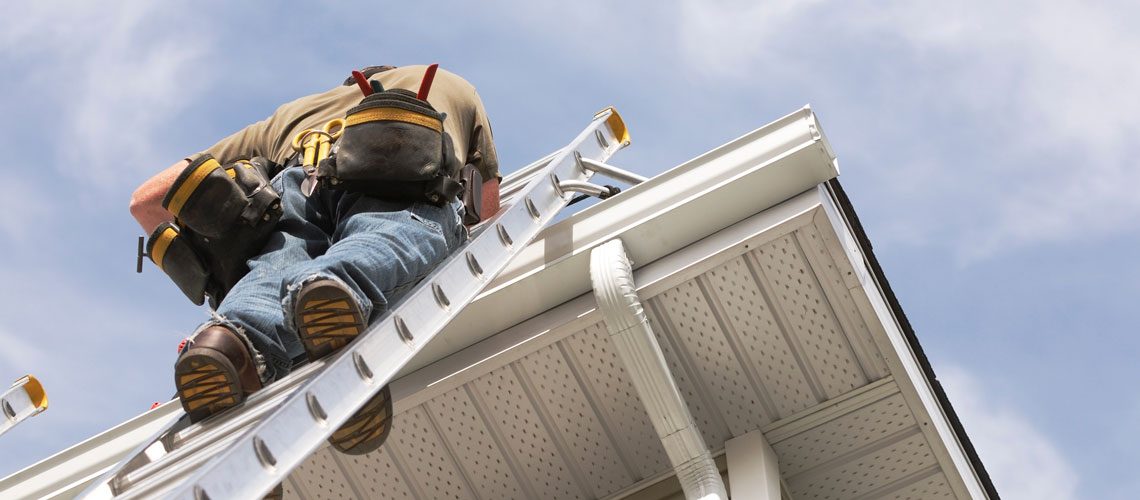
- Ladder: Compact ladders are both easy to use and store. A 17’ collapsible or folding ladder is an excellent choice for single story homes. A 28’ – 32’ aluminum framed extension ladder is recommended for 2 story homes. ($200)
- Pro Tip – Prior to deploying, practice unloading and setting up your ladder to get familiar with the weight and operations involved.
- Pitch Gauge: This is a small, lightweight tool used to determine the pitch of the roof. These can be purchased from Lowe’s, Home Depot, or online. They also have digital pitch gauges that are a little more costly. ($10, Digital $30)
- Haag Shingle Gauge: This shingle gauge is used to determine the type and year of shingles on the roof. The 4/09 shingle gauge is accurate for all shingles manufactured prior to 2011. The 1/12 shingle gauge is only for 3-tab shingles manufactured after Jan 2011. ($20)
- Pro Tip – Many adjusters still use the 4/09 to measure laminated shingles after 2011, however, these may not be 100% accurate
- Haag Panel and Membrane Gauge: This gauge will help you determine the thickness of steel and aluminum panels as well as single-ply roofing membranes. There is a magnet built into the gauge that will help you identify the material you are measuring. Typically, if the material is steel, the magnet will react. This is also useful if you suspect the gutters are made of steel. ($50).
- Camera: If you are not planning on using your phone as your camera, you are going to need a digital camera. Choose a camera that is not too big (but not too small) and produces photos with decent quality. If you have chosen a camera with a rechargeable battery, you may want to look into a backup battery as well. ($50-$150)
- Tape and Laser Measures: 35’ tape measures are recommended as 25’ tapes are often too short for roofs. Many adjusters use a 100’+ reel style tape measurer or the wheel for long distances. ($35-$100)
- Pro Tip – A laser measuring device can be a real time saver. While they do cost quite a bit more than a standard tape measure, they can reduce the time spent taking a measurement, and some include a feature that archives previous measurements. An exterior laser measure is especially handy when measuring elevations, ridge heights, and fence runs. ($50-$300)
- Moisture Meter: This device is used to determine the amount of moisture in a given medium, such as baseboard or drywall. There are two main types of moisture meters available, invasive and non-invasive, or pin-type and pad-type respectively. For adjusting purposes, the pad type is preferred since it does not require poking holes in different materials in the home. ($30)
- Chalk: Chalk is used to document roof damage and emphasize hail damage. White and yellow are great on dark roofs and metal vents; blue and red pop on white gutters/downspouts and window beading. ($5)
- Flashlight/Headlamp: A small flashlight is useful when trying to detect hail dents on garage doors, metal siding, and window wraps. A headlamp is great for attics or crawl spaces when you still want full use of your hands. (Flashlight $10, Headlamp $35)
- Tool Belt: Great for carrying around the tools previously listed. Lowe’s and Home Depot both offer belts with different configurations. They also have individual pouches that can be combined to create a belt that fits your needs. Some companies make bags and belts specifically for adjusters. Whatever you choose, make sure it is comfortable and convenient because you will be wearing it most of the day. ($20-$50)
- Clipboard or Sketch Pad: If you are sketching by hand, storage clipboards are very useful. You can keep extra documents such as contents forms, refusal to inspect forms, or business cards in the back. Some adjusters prefer to sketch with their phone or tablet. If sketching with a tablet, make sure to have a protective case and keep it charged. ($15-$900)
- Pro Tip – Since storage clipboards don’t attach well to your tool belt try adding a couple strips of foam to the back of your clipboard. The foam backing prevents the clipboard from slipping if you need to set it down on the roof.
- Uniform: If you have not been given a company uniform, you should still dress professionally. A collared shirt (long sleeve or t-shirt) with presentable pants and boots is recommended.
- Pro Tip – Golf shirts are an excellent choice as they are both presentable and moisture wicking when working in hotter, more humid environments. Cargo pants such as Wrangler’s Flex Cargo pants (similar brands available at Walmart) are comfortable, professional, and sturdy enough to withstand climbing on roofs, under houses, and in attics. .
- Footwear: Lace-up work or hiking boots perform well on a roof. The lace-up versions provide more ankle support for steeper roofs and tend to be more comfortable overall. Some adjusters have found success with boat shoes and skateboarding shoes, such as Sperry’s or Vans, due to their rubber soles. ($80-$150)
- Pro Tip – Cougar Paws are also great for steep as they uniquely offer “Traction Grip” that cannot be found in any other footwear. These boots allow you to inspect steep roofs that would otherwise be unsafe in regular boots. ($170-$200)
That’s it, just 19 items and you should be equipped to handle the majority of field property claims out there. Not including the computer, vehicle, cellphone, and Xactimate subscription, the remaining items could be acquired for around $1,500. As you progress in your career, you will find there are other tools to make you a more efficient adjuster and we will cover them in a seperate article.
